
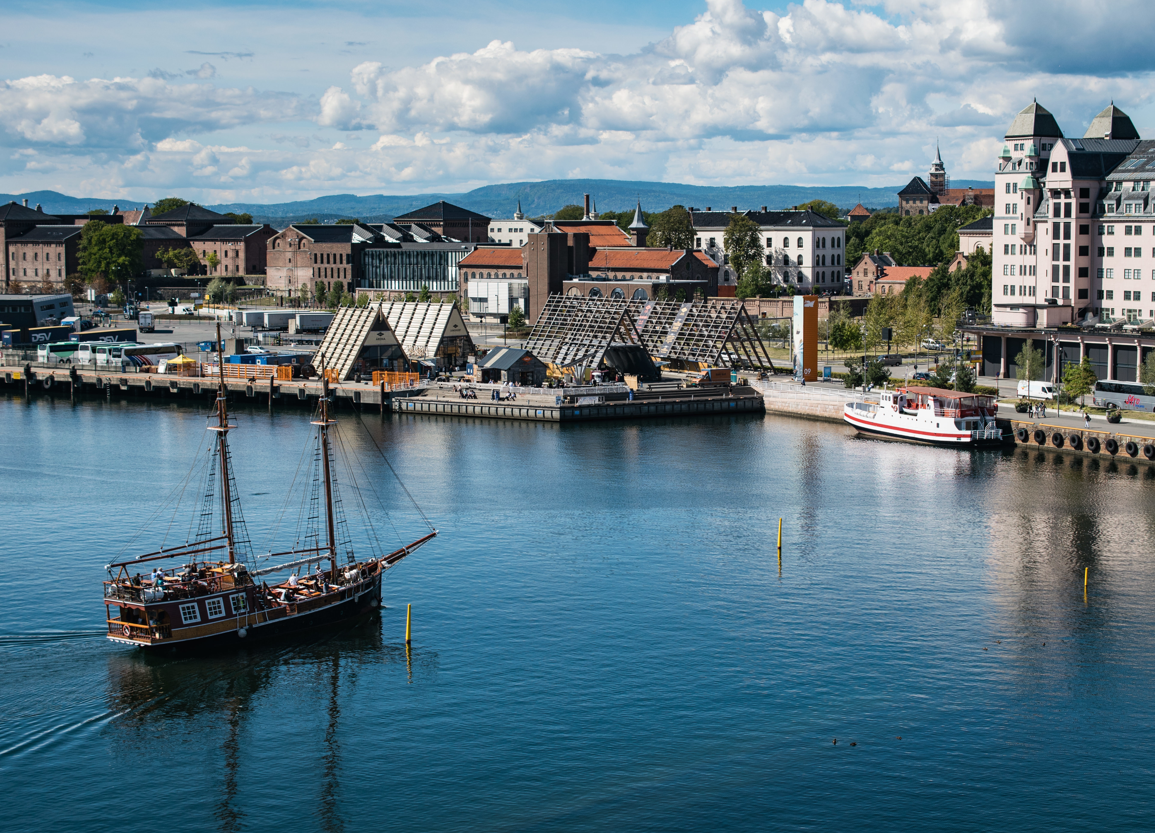
Why Study in Denmark?
Equality, social welfare, and environmental sustainability are hallmarks of Danish culture. Denmark's design, architecture, and culinary scene are also well-known. The majority of Danish people are friendly, egalitarian, and open-minded. A work-life balance and a focus on spending time with loved ones are hallmarks of the Danish way of life.
Denmark has an effective and reasonable transportation framework that incorporates transports, trains, and bikes. The public transportation framework in Denmark is very much associated and dependable, with a few choices for understudies to browse. In Denmark, bicycles are also a popular mode of transportation, and many cities have bike-sharing programs and bike lanes just for them. Cycling in Denmark is protected and advantageous, making it an alluring choice for understudies who need to investigate the city and remain dynamic.
For international students, studying in Denmark can be a life-altering experience. With its top notch school system, creative methodology, and inviting society, Denmark offers an extraordinary and compensating concentrate on abroad objective. You can have a successful experience while studying abroad in Denmark if you adhere to the recommendations in this guide. Best of luck!
-
1. How much will it cost?
Denmark's high standard of living is well-known, but the country also has a high cost of living. The cost for many everyday items in Denmark changes relying upon the area and the way of life of the person. By and large, global understudies in Denmark will require around 800-1,000 EUR each month to cover their everyday costs, including convenience, food, transportation, and relaxation exercises.
Students in Denmark have a variety of housing options, including private rental housing, shared apartments, and dorms. The majority of Danish universities provide dormitories or apartments for students to live in, usually close to the campus.
On the other hand, students can rent private housing through online portals like Lejebolig and BoligPortal. While sharing an apartment with other students can help cut costs, private housing can be pricey.
-
2. Eduaction System in Denmark.
The high quality and innovative approach of the Danish education system are what set it apart. Schooling in Denmark is free for EU/EEA/Swiss residents, and the charges for non-EU/EEA/Swiss understudies fluctuate contingent upon the foundation and program.
The education system in Denmark is broken down into three levels: education in primary, secondary, and tertiary levels. Tertiary instruction incorporates professional preparation, short-cycle advanced education, lone wolf's and graduate degrees, and PhD programs.
The research-based teaching method used by Danish higher education institutions combines theoretical knowledge with practical skills. In Denmark, the school year is broken up into two semesters, with the first starting in September and the second in February.
Denmark is home to a portion of the top colleges and universities in Europe. The University of Copenhagen, Aarhus University, and the Technical University of Denmark are Denmark's most prestigious universities. The University of Southern Denmark, Aalborg University, and Roskilde University are all noteworthy Danish universities.
Denmark has several colleges and other higher education institutions that offer vocational training and shorter programs in addition to universities. These organizations incorporate the Copenhagen Business college, the Danish School of Media and News coverage, and the Worldwide Business Institute.
-
3. Scholarship
International students studying in Denmark have access to a number of scholarship and financial aid options. Non-EU/EEA/Swiss students admitted to Danish higher education institutions are eligible for a small number of scholarships provided by the Danish government. Additionally, international students can apply for scholarships and grants from a variety of private and public institutions based on their academic merit and financial need.
-
4. Visa Requirements
To study in Denmark, you will need a student visa if you are not a citizen of the EU, EEA, or Switzerland. You must first be accepted into a Danish higher education program in order to obtain a student visa. Once conceded, you can apply for an understudy visa by presenting the vital records to the Danish government office or department in your nation of origin.
A valid passport, a letter of acceptance from a Danish higher education institution, proof of financial means, and proof of housing in Denmark are all required for a student visa application. In addition, you might have to show a certificate that you don't have any criminal records and that you have health insurance that will cover your time in Denmark.
It's important to remember that applying for a visa can take up to three months, so it's best to apply as soon as you can. Whenever you have acquired your understudy visa, you will be permitted to make a trip to Denmark and remain in the country however long your examinations might last.
-
5. Job Opportunities
International students studying in Denmark have access to a number of scholarship and financial aid options. Non-EU/EEA/Swiss students admitted to Danish higher education institutions are eligible for a small number of scholarships provided by the Danish government. Additionally, international students can apply for scholarships and grants from a variety of private and public institutions based on their academic merit and financial need.
Additionally, international students in Denmark can earn a living by working part-time while attending school. The government of Denmark permits international students to work full-time during the summer and up to 20 hours per week during the academic year.
Part-time employment is available for international students in a variety of industries, including customer service, retail, and hospitality. Understudies can look for open positions through web-based entrances like Jobindex and For sure.
-
6. Intake Option
There are two intakes for university admission for foreign students wishing to study in Denmark.
Both intakes are referred to as the respective Summer and Winter intakes.
Summer Intake: A university's admissions deadline for the summer semester is between January and Mid-March.
Winter Intake: A university's admissions deadline for the summer semester is between July - September.